The Most Common Mistake
The biggest practical mistake travellers make when planning a trip to Greece is assuming it is a one-season destination. Most visitors aim for the peak summer months, expecting perfect beach weather everywhere. In reality, Greece has four distinct seasons, each offering a very different experience. The mistake is ignoring the trade-offs: summer brings intense heat, packed sites, and inflated prices, while spring and autumn often deliver better conditions for exploring. To avoid this, match your travel dates to what you actually want to do, not just to the postcard image of a Cycladic beach in August.
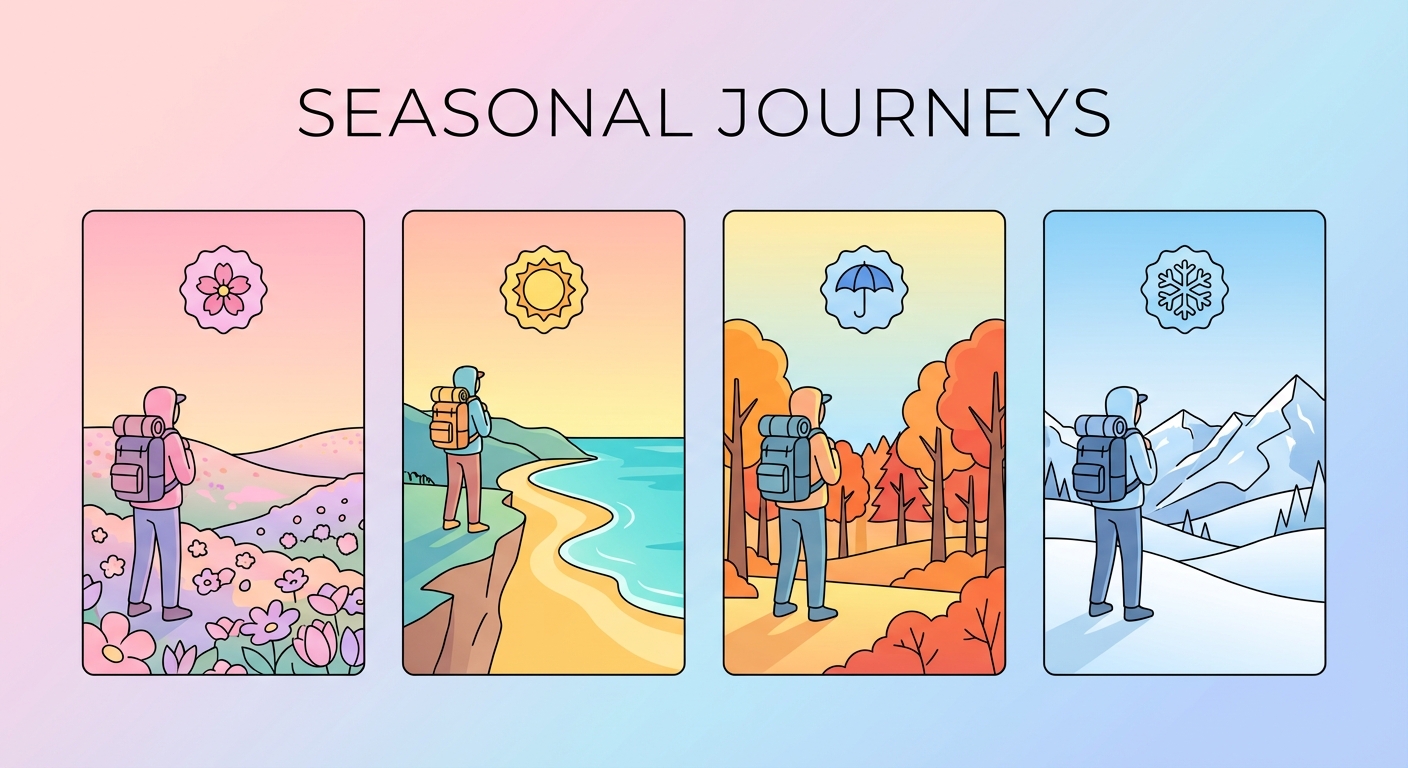
Winter: January to March
Winter in Greece is mild compared to northern Europe, but it is not a beach season. Many islands, especially in the Cyclades, see ferry cancellations, cold winds, and closed hotels. Athens and Crete remain active, with lower prices and no crowds. This is the best time for visiting archaeological museums, enjoying city life, and seeing the countryside green. The Acropolis is quiet, and you can walk through the Plaka without jostling. Temperatures in Athens range from about 8°C to 15°C, and rain is common. If your goal is hiking, cultural sites, or a quieter city break, winter works well. If you want swimming or island hopping, avoid this period.
Spring: April to May
Spring is the ideal compromise for most travellers. The weather warms gradually, with April still cool and May becoming pleasant. Wildflowers cover the hillsides, and the sea is too cold for most swimmers until late May. Crowds are thin, prices are moderate, and ferry schedules become reliable by May. This is the best season for hiking in Crete, exploring Athens without queues, and visiting the mainland sites like Delphi or Meteora. The trade-off is that some island tavernas and hotels only open in June. If you want a balance of good weather, lower costs, and few tourists, aim for mid-April to late May. It is also the best time for photography, as the light is soft and the landscape is lush.
Summer: June to August
Summer is the high season for a reason: guaranteed sun, warm sea, and a lively atmosphere. June is the best summer month, with manageable heat and full services. July and August can be brutally hot, especially in Athens, where temperatures often exceed 35°C. The Cyclades islands are packed, and accommodation must be booked months in advance. Prices peak, and popular sites like Santorini's sunset spots become crowded to the point of frustration. The advantage is the lively nightlife, beach clubs, and all ferries running on schedule. If you want a classic Greek island holiday with swimming and partying, summer is your only real option. For families, June is the clear recommendation. For anyone who dislikes crowds or heat, consider autumn instead.
Autumn: September to October
Autumn is the secret sweet spot. September continues summer conditions with warmer sea temperatures than June, but the crowds thin after the first week. October is cooler, with occasional rain, but many islands remain open until late October. This is the best time for a relaxed island holiday without the peak prices. The light is golden, the harvest season brings local festivals, and you can still swim comfortably in September. The trade-off is that ferry schedules reduce in October, and some smaller islands shut down by mid-month. Crete and the larger islands like Rhodes stay active longer. If you value calm exploration, good swimming, and lower costs, choose September or early October. It is also the best season for wine lovers, as the grape harvest is in full swing.
Practical Recommendation
For your first trip, or for a balanced experience of culture, scenery, and comfort, choose late April to early June or September. These shoulder months give you the best weather for walking and sightseeing, reasonable prices, and manageable crowds. Avoid August unless you specifically want nightlife and don't mind heat and queues. For a winter trip, stick to Athens and Crete. Greece is a year-round destination, but only if you pick the right region for the season. Match your expectations to the calendar, and you will have a far better trip.