Start in Naples, Not Rome
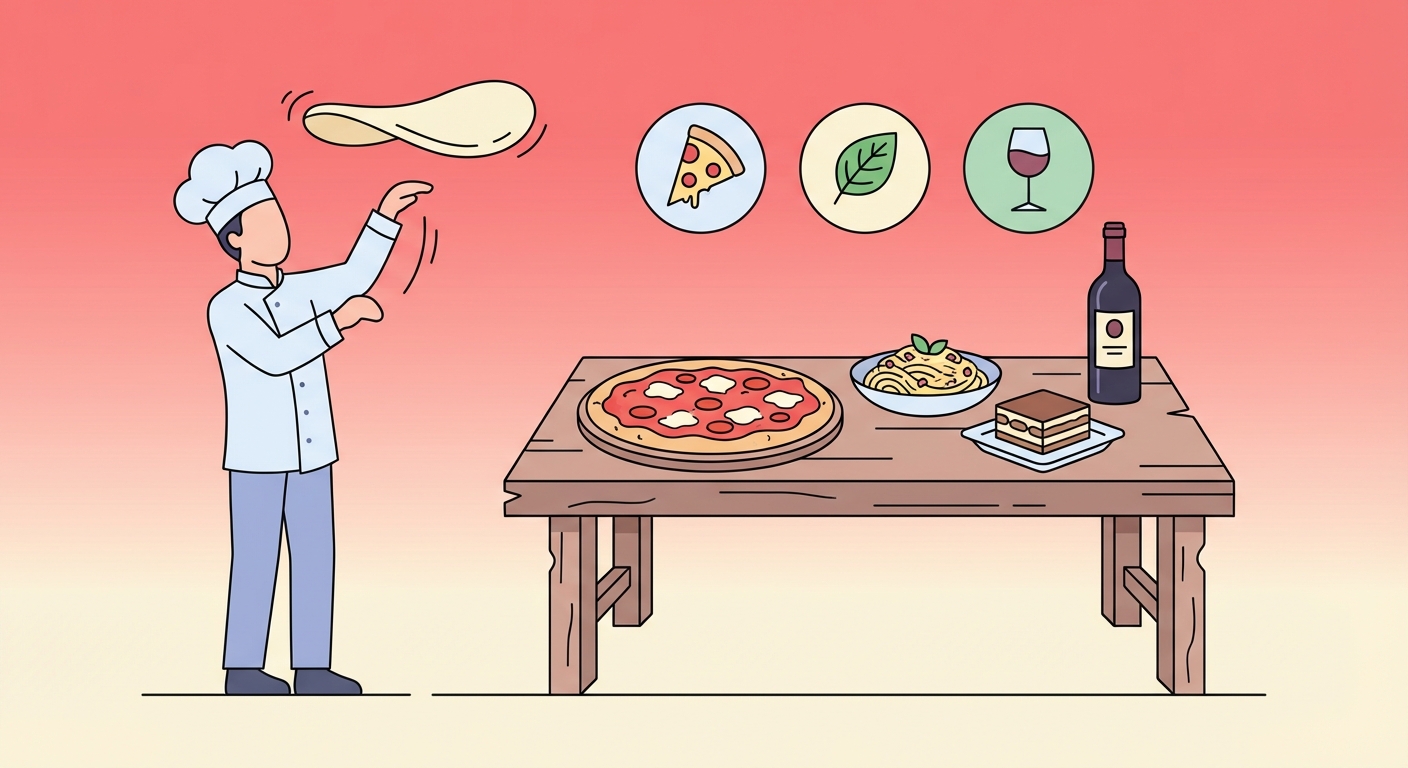
Most travelers land in Rome and head straight for carbonara. That is a mistake. Naples, two hours south by train, is where Italian food stops being a cliché. Here, pizza was born. The pizzerie in the historic center use a simple dough of flour, water, salt, and yeast, then bake it in a wood-fired oven at nearly 500°C for 60 to 90 seconds. The result is a soft, elastic crust with a puffy rim called the cornicione. Order a margherita-tomato, mozzarella, basil-and eat it with a knife and fork. No pepperoni. No extra cheese. The trade-off: Neapolitan pizza is wet in the middle, so you must eat it immediately. Takeaway is not an option.
For a different texture, try pizza a portafoglio (folded pizza) from a street-side fry shop. These are smaller, fried in oil, and stuffed with ricotta and cured pork. They cost about €3 and fill a gap between meals.
Tuscany Is About Bread and Beans
In Tuscany, the star is not pasta but bread. The region’s unsalted pane toscano is the base of ribollita, a vegetable and bean soup thickened with stale bread. Order it in winter at a trattoria in Florence or Siena. The soup is reheated (the name means “reboiled”), which deepens the flavor of cavolo nero and cannellini beans. A bowl costs €8-€12 and comes with a glass of Chianti. The trade-off: ribollita is heavy. It works best as a lunch before a long walk, not a dinner before bed.
For a lighter option, ask for crostini toscani. These are small toasted bread rounds topped with chicken liver pâté. The liver is cooked with capers, anchovies, and white wine. The flavor is earthy and salty. A plate of four costs €6-€9. Pair it with a Vernaccia di San Gimignano white wine, which cuts the richness.
Street Food and Regional Specialties
Street food varies by city, and the best choices are the ones you cannot find elsewhere. In Palermo, go to the Vucciria Market at dusk. Order pane con la milza: a soft bun stuffed with sliced boiled spleen, caciocavallo cheese, and lemon. The spleen is tender and mild. A sandwich costs €4.50. The trade-off: it is messy. The lemon juice drips down your wrist, and the bread can fall apart. Eat it standing at the counter.
In Bologna, street food means crescentina fritta. These are fried dough triangles, crisp on the outside and hollow inside, served with cured meats like mortadella or prosciutto. A plate of three costs €5. Buy them from a friggitoria near the Two Towers. Do not confuse them with tigelle, which are thicker and grilled. Crescentina is always fried.
In Sicily, try arancini-rice balls stuffed with ragù, peas, or spinach, then breaded and fried. The best versions are from street stalls, not restaurants. A large arancino costs €3.50 and can serve as a meal. The trade-off: arancini are deep-fried and greasy. Eat one, not three.
Markets Beat Restaurants for Lunch
Sit-down restaurants are fine for dinner, but lunch is better spent at a market. In Florence, the Mercato Centrale on the ground floor is for raw ingredients; take the stairs to the first floor for cooked food. Try the lampredotto sandwich from a stall near the entrance. Lampredotto is the fourth stomach of a cow, slow-cooked in broth with herbs, then sliced and served on a crusty roll with green sauce. It costs €5. The texture is soft and slightly chewy. The trade-off: the smell of boiling tripe is strong. If you are sensitive, stand upwind.
In Rome, the Testaccio district has the Mercato di Testaccio. At lunch, the stalls sell pasta alla gricia-pasta with guanciale, pecorino, and black pepper. No tomato. No garlic. A portion costs €8. The cured pork cheek gives the dish a deep, salty flavor. Eat it at the counter with a plastic fork. The trade-off: the market closes by 14:30. Arrive by 12:30 to avoid the queue.
A Clear Recommendation
If you have one meal in Italy, make it a lunch of lampredotto at Florence’s Mercato Centrale. The sandwich costs €5, takes three minutes to assemble, and uses every part of the animal. It is cheap, fast, and honest. Pair it with a 50-cent espresso from the same stall. Skip the tiramisu. The meal is complete without it.
For dinner, choose a trattoria in Bologna that serves tagliatelle al ragù. The pasta is fresh egg tagliatelle, and the ragù is a slow-cooked sauce of beef, pancetta, wine, and tomato. A plate costs €12-€14. The texture is smooth, the sauce coats each strand. Do not ask for spaghetti Bolognese. That dish does not exist in Bologna.