Planning Your Trip: Choosing Your Focus
Canada is vast. A common mistake is trying to see too much in one trip. Before booking anything, decide if you want dramatic mountain scenery, roaring waterfalls, or a mix of city and nature. A two-week trip works well for one region. For example, you can comfortably cover the highlights of Alberta's Rockies or the Niagara region and Toronto, but not both. Your choice of season will also dictate what is accessible. July and August offer the most reliable weather for hiking and sightseeing. September brings fewer crowds and fall colours, but some mountain roads close in October.
Niagara Falls: The Essential Experience
Niagara Falls sits on the border of Ontario and New York. The Canadian side offers the best overall views. You can stand directly across from the massive Horseshoe Falls and feel the mist on your face. The most direct way to see the falls is from the public viewing areas along Niagara Parkway. No ticket is needed for this view. For a closer look, the Hornblur Bridge (also called the Hornblur) is a small pedestrian bridge that extends out over the gorge. It provides a unique, close-up vantage point of the American Falls and the Bridal Veil Falls. It is free and usually less crowded than the main railing.
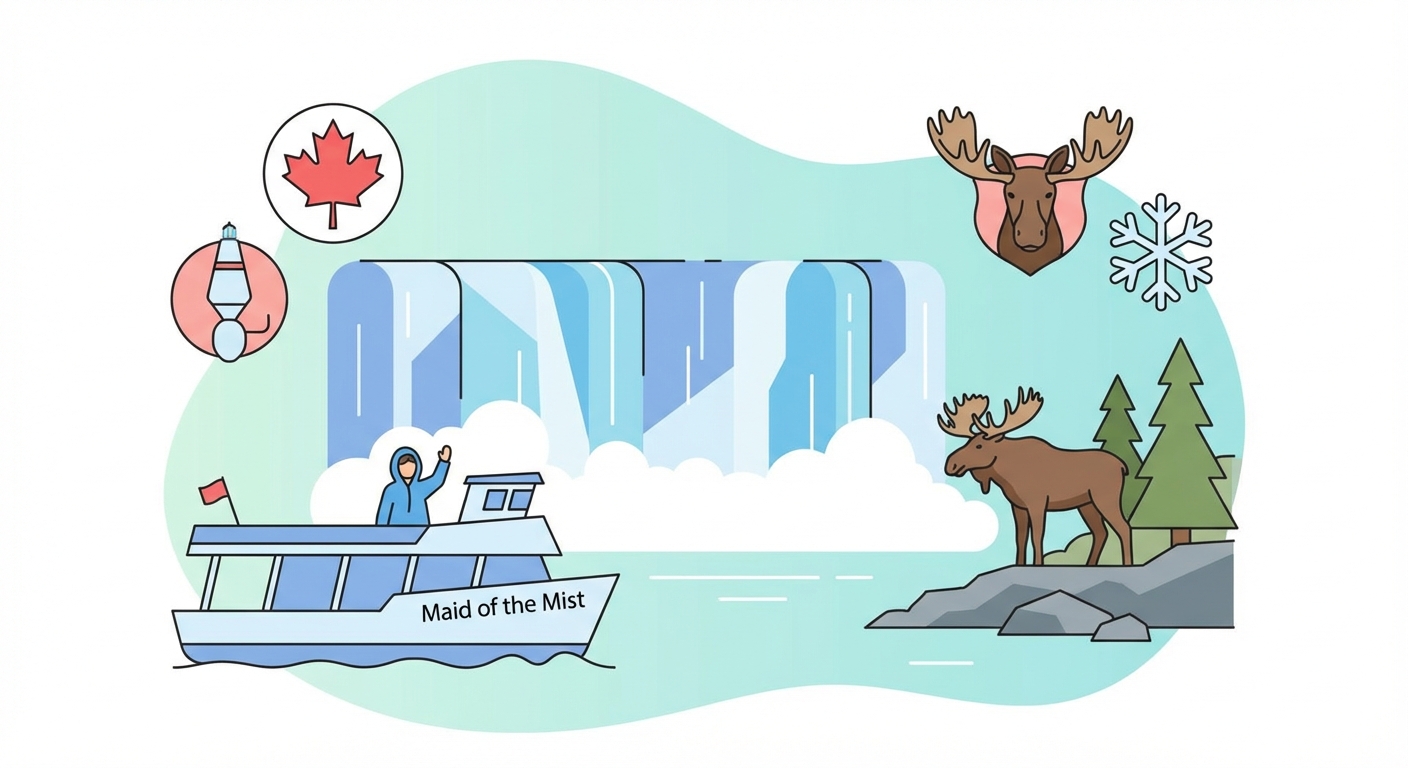
The Maid of the Mist boat cruise is the classic way to get wet. Boats run from both the Canadian and American sides. The Canadian boats are called Hornblower Niagara Cruises. They run from late April to late November. Tickets cost around 30 to 35 Canadian dollars per adult. You will get soaked, so bring a waterproof jacket or use the thin poncho provided. The best time to visit is early morning or late afternoon to avoid the biggest crowds. The falls are lit up at night, which is a completely different experience.
The Canadian Rocky Mountains: Banff and Beyond
Alberta is home to the Canadian Rocky Mountains. Banff National Park is the most famous and most visited park in Canada. The town of Banff itself is a service hub. It has hotels, restaurants, and shops. It is also expensive and very busy in summer. Parking in the town is difficult. A better strategy is to stay in the nearby town of Canmore, which is a 20-minute drive away. Canmore has lower prices and easier parking. You can then drive into Banff National Park each day.
Within Banff, the worth prioritising sights are Lake Louise and Moraine Lake. Lake Louise is a turquoise lake with a grand hotel at its shore. You can walk around the lake or rent a canoe. Moraine Lake is smaller and even more striking, with a famous view of the Valley of the Ten Peaks. Both lakes fill with tourists by 9:00 a.m. in summer. To avoid this, arrive before 7:00 a.m. or visit after 5:00 p.m. A Parks Canada Discovery Pass is required for entry. Buy it online before your trip. A single-day pass for a vehicle costs about 10 to 15 Canadian dollars. The pass is valid for all national parks in the region.
Practical Choices for Outdoor Adventures
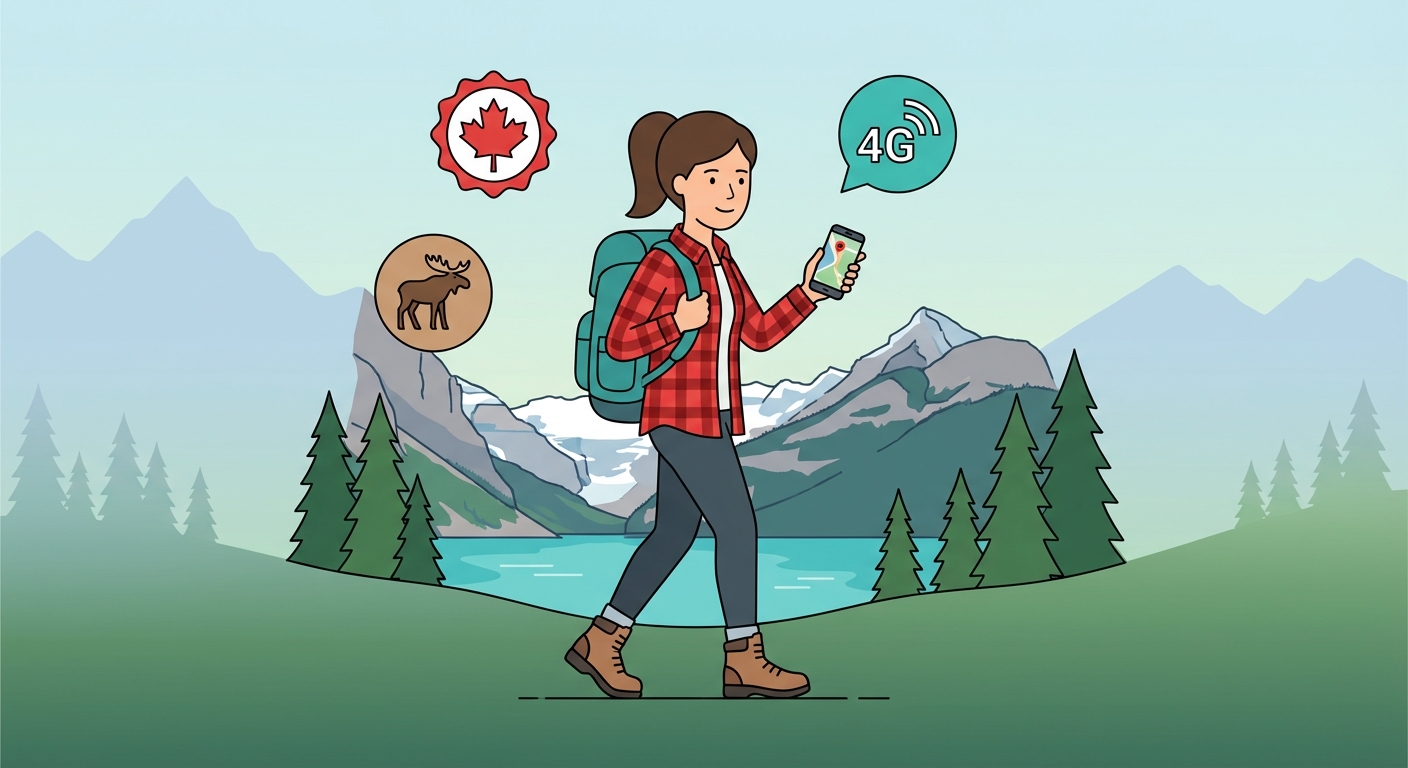
If you want to hike, choose trails that match your fitness level. The Johnston Canyon hike near Banff is an easy, family-friendly walk to a waterfall. The Plain of Six Glaciers trail near Lake Louise is a full-day, strenuous hike with huge rewards. Always carry bear spray, available at any outdoor store in Banff. Check trail conditions at the Banff Visitor Centre before you go. Cell service is unreliable in the mountains. Download offline maps to your phone before you leave town.
For a different perspective, take the Banff Gondola up Sulphur Mountain. The ride takes eight minutes. At the top, you can walk a boardwalk with views of six mountain ranges. Tickets are around 60 Canadian dollars per adult. It is expensive, but the view is unobstructed and worth the cost. Alternatively, drive the Icefields Parkway from Banff to Jasper. This 230-kilometre road is one of the world's great drives. It passes glaciers, waterfalls, and wildlife. You can do it as a day trip, but it is better as an overnight stop in Jasper.
British Columbia: City and Coast
British Columbia offers a different kind of attraction. Vancouver is a coastal city with mountains visible from downtown. Stanley Park is a large urban park with a seawall path perfect for walking or cycling. You can rent a bike for about 10 to 15 Canadian dollars per hour. The park also has beaches, gardens, and the Vancouver Aquarium. A short drive from Vancouver is the Capilano Suspension Bridge. It is a 130-metre-long bridge hanging 70 metres above a canyon. It costs around 60 Canadian dollars per adult. It is touristy but dramatic. A cheaper alternative is the Lynn Canyon Suspension Bridge, which is free and less crowded.
Whistler is a two-hour drive north of Vancouver. It is famous for skiing, but it is also excellent for summer hiking and mountain biking. The Peak 2 Peak Gondola connects Whistler and Blackcomb mountains. The ride takes 11 minutes and offers views of glaciers and alpine lakes. Tickets cost around 70 Canadian dollars per adult. If you are on a budget, skip the gondola and hike the trails at the base of the mountains.
Final Recommendation
If you have only one week, base your trip in Alberta. Fly into Calgary, drive to Banff, and spend your time in the Rocky Mountains. This gives you the most dramatic scenery with the least amount of driving. If you have two weeks, add a few days at Niagara Falls and a few days in Vancouver. That combination gives you three completely different Canadian experiences: a world-famous waterfall, a mountain national park, and a coastal city. Book accommodation and car rentals well in advance. Summer inventory sells out by March. For the best value, travel in late May or early September.