🇮🇷 eSIM for Iran
- Unlimited data
- 7-day validity
- Fast, reliable connection
- Skip the roaming bills
- QR code sent instantly by email






Why go with us?
See how Onetel compares with other options in Iran.
Which networks you connect to in Iran
Your eSIM roams onto Iran's own operators. These are the networks and the frequencies they run — check your phone supports them before you travel.
Source: Ookla Speedtest Global Index, July 2025
Coverage in Iran
B20 (800 MHz) not deployed; foreign phones lacking B1/B3/B7/B8 may fall back to 3G or have no LTE service. Rural and desert regions have extensive coverage gaps.
How to Enjoy Iran
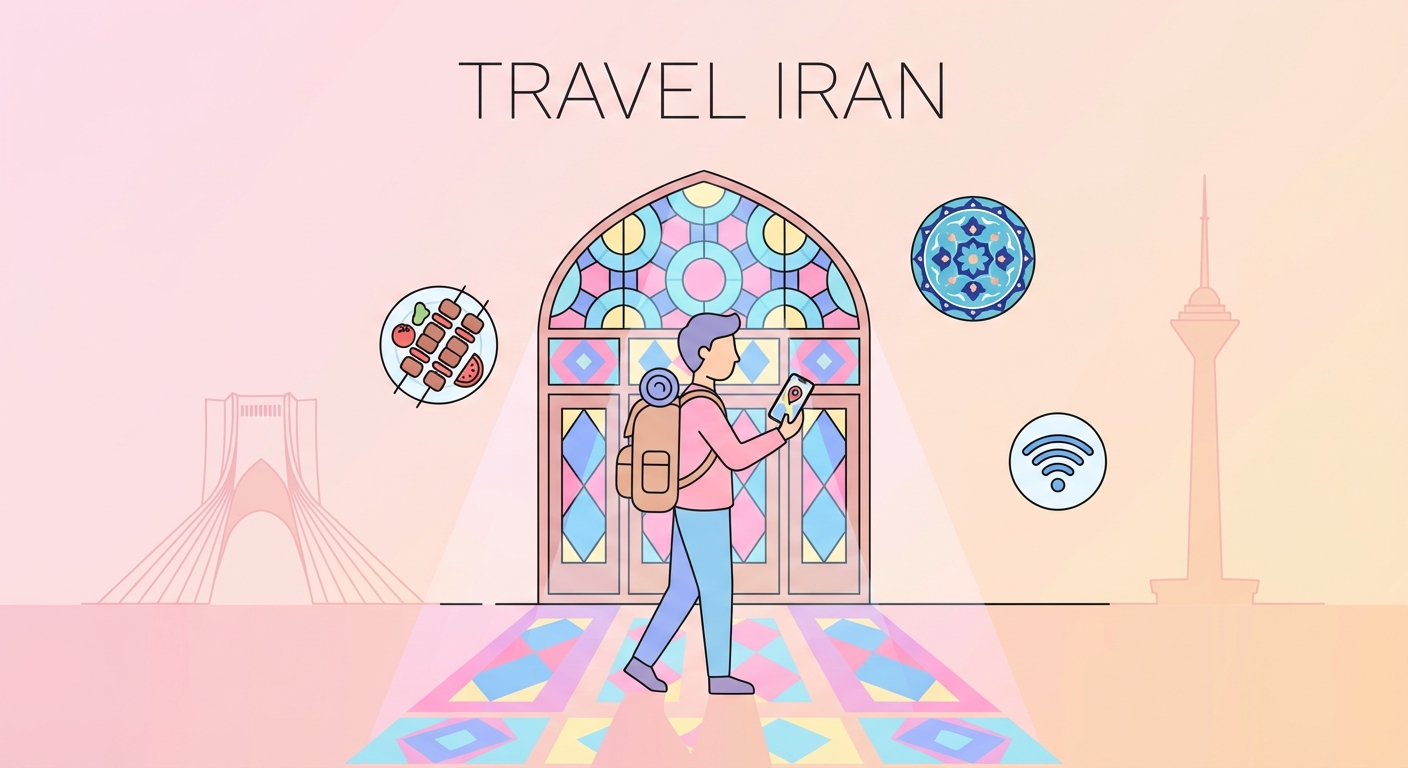
Iran offers a blend of ancient history, warm hospitality, and diverse landscapes. To make the most of your trip, learn a few Persian phrases like salam (hello) and mamnoon (thank you) - locals appreciate the effort. Dress modestly in public, especially at religious sites: women should cover their hair, arms, and legs; men should avoid shorts. Carry a scarf for impromptu mosque visits.
From the tiled mosques of Isfahan to the ruins of Persepolis, plan for slow travel. Iranian cities are best explored on foot or by taxi. Use ride-hailing apps for fair prices. The Caspian Sea coast offers a green escape, but book accommodation ahead in peak seasons. With the warm culture, you will often be invited for tea - accept politely. Always carry cash, as international cards are rarely accepted.
Top Attractions
Iran's landmarks span millennia. Focus on a few highlights rather than rushing. Here are key sites:
- Persepolis - The ceremonial capital of the Achaemenid Empire, near Shiraz. Allow half a day to explore the stone reliefs and columns. Go early morning to avoid heat and crowds.
- Isfahan's Naqsh-e Jahan Square - A UNESCO World Heritage site surrounded by the Imam Mosque and Sheikh Lotfollah Mosque. The bazaar here is lively; bargain for handicrafts.
- Nasir al-Mulk Mosque (Pink Mosque) - Famous for its stained glass and pink tilework. Visit in late afternoon for the best light.
- Yazd Old City - A maze of mud-brick alleys and wind towers. Hire a guide to understand the qanat water system.
- Caspian Sea Coast - Lush forests and beaches near Rasht. Ideal for hiking and seafood.
Whether you prefer Islamic art, ancient ruins, or natural beauty, these sites offer a strong taste of Iran's heritage.
Must-Try Foods
Iranian cuisine is rich and varied. These five dishes are essential:
- Tahdig - The crispy bottom layer of rice from a pot of polow. Often served with stew or yogurt. Ask for it fresh.
- Kebab Koobideh - Grilled minced meat skewers, usually with buttered rice and grilled tomatoes. A street-food staple.
- Fesenjan - A slow-cooked stew of chicken or duck in pomegranate and walnut sauce. Tangy and hearty.
- Ghormeh Sabzi - A herb stew with lamb, kidney beans, and dried limes. It is the national dish. Try it with sabzi polow (herbed rice).
- Saffron Ice Cream (Bastani Saffrani) - A luxurious frozen treat made with real saffron, rosewater, and pistachios. Perfect for hot afternoons.
Each dish reflects Persian history: balance of sweet and sour, use of dried fruits, and slow cooking. Portions are generous, so share.
Best Time to Visit
Iran has four distinct seasons, and the best time depends on your itinerary. For most travellers, spring (March to May) and autumn (September to November) are ideal. Temperatures are mild across the plateau, and crowds are moderate. Spring brings lush gardens and Nowruz (Persian New Year) celebrations in March, but expect higher prices and packed hotels.
Summer (June to August) is very hot in the Persian Gulf and central deserts - avoid cities like Ahvaz unless you can handle 40°C. The Caspian coast and mountain resorts remain cooler. Winter (December to February) is cold in the north and Tehran, but Shiraz and the south stay pleasant. Snow falls in the Alborz mountains, good for skiing.
For a balanced trip, plan for April-May or September-October. Always check local holidays, as travel can be disrupted during Muharram.
Packing Essentials
Packing for Iran requires respect for local norms and practical comfort. Here is a checklist:
- Modest clothing - Women need long skirts or trousers and long sleeves. Men should avoid shorts in cities. Carry a scarf for mosques.
- Comfortable walking shoes - Many sites involve uneven stone paths and long walks.
- Sunscreen and sunglasses - The sun is strong, especially in the desert and high plateau.
- Lightweight layers - Temperatures can swing from cool mornings to hot afternoons. A fleece or light jacket works for evenings.
- Reusable water bottle - Tap water is safe in most cities, but avoid it in rural areas. Bottled water is cheap. Stay hydrated.
Essential extras: a power adapter (two-pin round plug), a printed copy of your visa, and a small first-aid kit. The Iranian rial is the currency; carry cash as cards are rarely accepted. Pack a smile - it opens doors.
Frequently Asked Questions
What to know before you go with your Iran eSIM
Stuck? We're around.
Got questions before you fly or while you're away — our support team is on live chat and email around the clock. Usually replies in under 2 minutes.
Chat with us
Other Onetel eSIM destinations
See eSIM plans for more countries worldwide.
