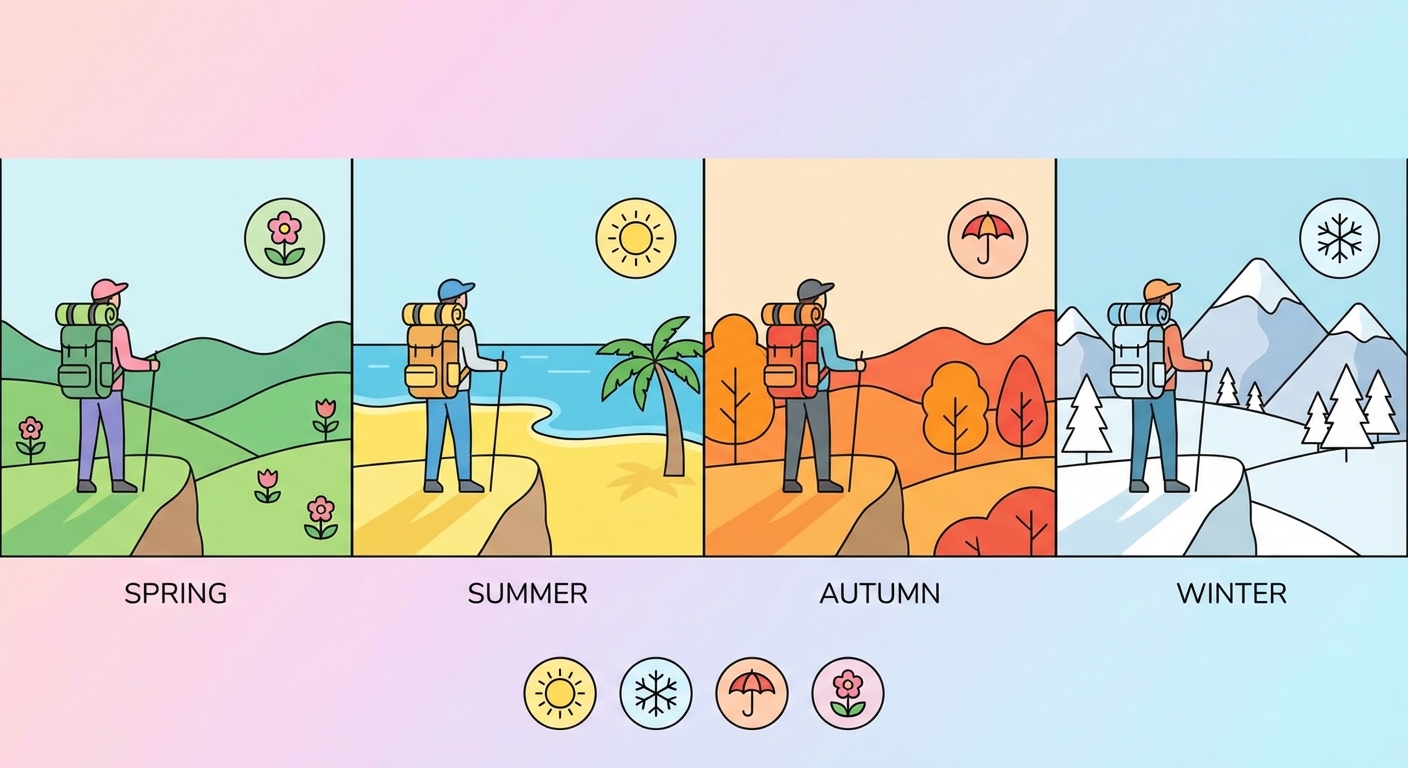
Spring (March-May): Mild Weather and Blooming Countryside
Spring in France offers moderate temperatures and fewer tourists than summer. In March and April, gardens and parks begin to flower, especially in the Loire Valley and Paris. May is a sweet spot: the weather is warm but not hot, and the crowds have not yet peaked. You can visit the French Riviera without the intense heat and high prices of June and July. However, spring is also a rainy season in northern regions, so pack layers and a waterproof jacket. The shoulder season from April to May gives you a good balance of pleasant weather and manageable crowds, but you will still need to book accommodations in advance for popular destinations like Provence and the Côte d'Azur.
Summer (June-August): Peak Season with High Prices and Heat
Summer is the busiest and most expensive time to visit France. From June through August, the weather is reliably sunny and warm, making it ideal for beach holidays along the Mediterranean and for exploring the countryside. However, the crowds can be overwhelming in Paris, the Loire Valley châteaux, and the Riviera. July and August are also the hottest months, with temperatures frequently above 30°C in the south. If you travel during this peak season, book flights and hotels well in advance-ideally by March. August is particularly tricky because many French businesses close for the annual summer holiday, especially in coastal towns. For a slightly quieter option, consider late June or early July, when schools are still in session.
Autumn (September-November): Harvest Season and Mild Weather
Autumn is one of the best times to visit France for wine lovers and those who prefer cooler temperatures. September and October are part of the shoulder season, offering pleasant weather and thinner crowds than summer. The grape harvest takes place in wine regions like Bordeaux, Burgundy, and the Rhône Valley, and many vineyards offer tours and tastings. September is still warm enough for outdoor dining, while October brings colourful foliage in the Loire Valley and the forests of Île-de-France. November is cooler and rainier, but it is also a low season for tourism, meaning lower prices and more empty museums. The main trade-off in autumn is the shorter daylight hours and the chance of rain, especially in the north. If you want to combine good weather with fewer people, aim for September.
Winter (December-February): Cold Weather and Low Prices
Winter is the off-season for most of France, except for ski resorts in the Alps and Pyrenees. From December to February, temperatures drop, and daylight is limited. Paris and other cities are less crowded, and hotel rates can be half of what they are in summer. December has festive markets in Strasbourg, Colmar, and Paris, but it is also cold and damp. January and February are the quietest months, ideal for budget travellers who do not mind cold weather. If you want to ski, the Alpine resorts are busy but offer reliable snow from mid-December through March. The main drawback of winter is that many attractions outside major cities have reduced hours or close entirely. For a city-focused trip with fewer tourists, January and February are a good choice, but you will need warm clothing and flexible plans.
Practical Choices and Trade-Offs
Your ideal travel season depends on your priorities. If you want warm weather and are willing to pay high prices and deal with crowds, summer is the only option. For a balance of good weather and moderate crowds, the shoulder seasons of spring (April-May) and autumn (September-October) are best. If you are on a tight budget and do not mind cold or rain, the off-season from November to March offers the lowest prices and fewest tourists. Skiers should visit in January-February for the best snow conditions. For a clear recommendation: if you have flexibility, plan your trip for September or May. These months give you reliable weather, fewer crowds, and lower costs than summer.