The most common practical mistake travellers make when planning a trip to Italy is assuming the weather will be pleasant everywhere at the same time. Italy stretches over 1,200 kilometres from the Alps to the Mediterranean. A sunny day in Palermo in March can be rainy and cold in Milan. Do not book your entire trip based on a single region’s climate. Instead, match each part of your itinerary to its best season.
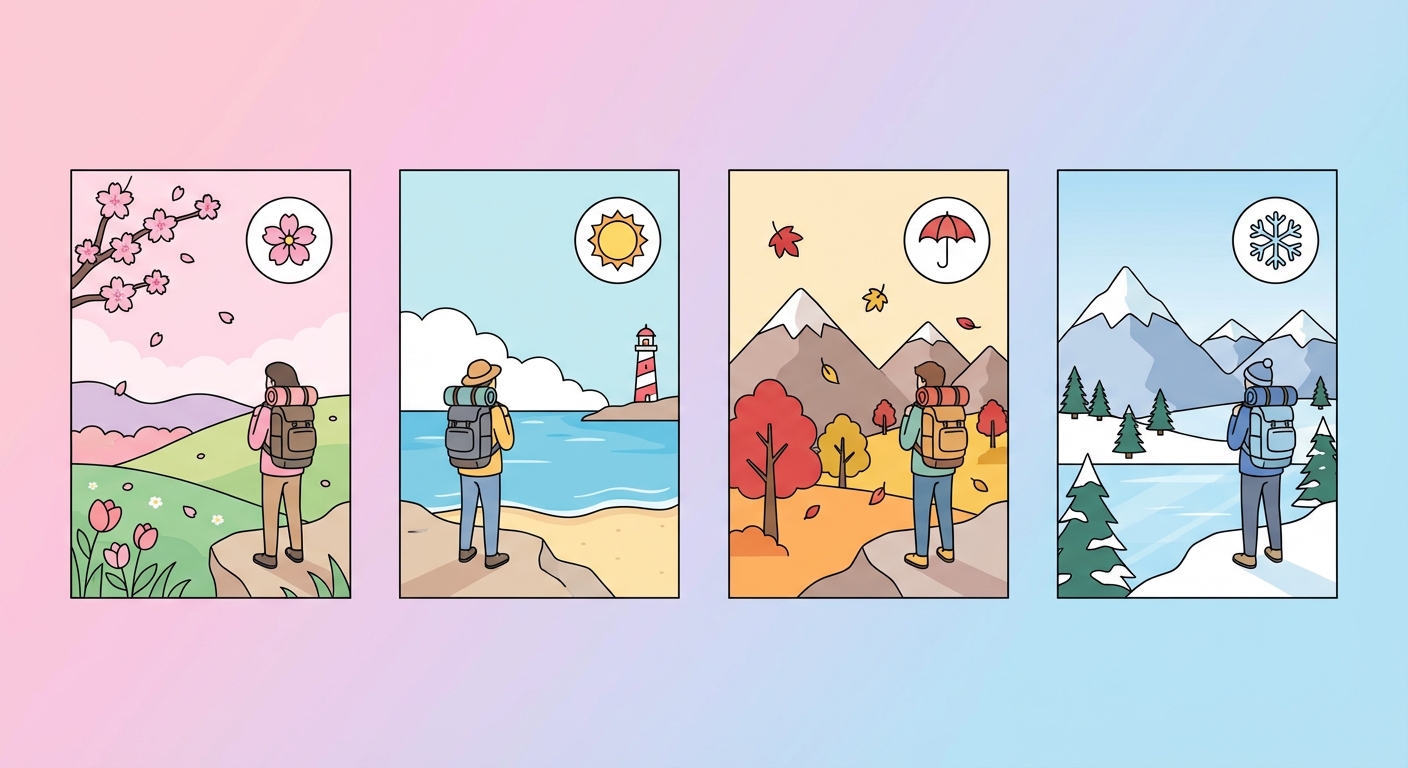
Spring (March-May): Mild Days, Crowded Cities
Spring is a reliable choice for most of Italy. Temperatures in Rome and Florence range from 12°C to 22°C. Rain is common in March and April, especially in the north. By May, the weather stabilises and gardens begin to bloom. The main trade-off is that Easter and the weeks around it bring high prices and large crowds. If you plan to visit the Amalfi Coast or Cinque Terre in May, book accommodation at least three months ahead. For a quieter trip, target mid-April or early May and avoid holiday weekends.
Summer (June-August): Hot, Busy, and Expensive
Summer is peak season. Coastal areas and islands are packed. Daytime highs in Florence and Bologna often exceed 35°C. Air conditioning is common in hotels and shops but not always in older churches or small trattorias. If you must travel in July or August, focus on the mountains or the far north. The Dolomites offer cool hiking and clear air. Alternatively, head south to Sicily, where you can escape the heat by visiting coastal towns in the morning and resting during the afternoon. Avoid visiting Rome or Florence in August if you can. Many locals take holidays then, and some small restaurants close for two or three weeks.
Autumn (September-November): The Golden Season
September and October are the best months for most travellers. The weather is still warm in the south - Sicily and the Amalfi Coast remain pleasant into late October. In the north, temperatures drop to 15-20°C, which is ideal for walking tours and museum visits. Crowds thin out after the first week of September. Harvest season means fresh truffles, porcini mushrooms, and new olive oil. Book a food tour in Emilia-Romagna or Piedmont during this window. By November, rain increases and many coastal resorts close. Venice can experience seasonal flooding, known as acqua alta. If you visit Venice in November, bring waterproof boots and check the tide forecast.
Winter (December-February): Quiet Cities, Snow, and Festivals
Winter is the best time for city culture. Rome, Florence, and Venice are far less crowded. Hotel prices drop by 30 to 50 percent compared to summer. The Christmas season runs from early December to early January. Markets, nativity scenes, and festive lights create a special atmosphere. After the holidays, January and February are the quietest months. This is a good time to see the Renaissance masterpieces in Florence without queues. The downside is that daylight hours are short - sunset at 4:30 PM in December. Many smaller museums and restaurants in rural areas close for part of the winter. For snow, head to the Alps or the Apennines. Ski resorts in the Dolomites and Aosta Valley operate from December through March. If you want sun, go to Sicily or Sardinia. Temperatures there range from 10°C to 16°C in January, and the archaeological sites are nearly empty.
Practical Advice for Each Season
- Spring: Pack layers and a waterproof jacket. Book train tickets early for the Easter period.
- Summer: Carry a refillable water bottle. Many Italian towns have free public fountains. Visit major sights at opening time or after 4 PM.
- Autumn: Check for local harvest festivals. The white truffle fair in Alba runs through October and November.
- Winter: Confirm museum hours online before visiting. Many close earlier than in summer. Bring warm clothing for the north and central regions.
A Clear Recommendation
If you have flexibility, plan your trip for the last two weeks of September. You get summer-like weather in the south, comfortable temperatures in the north, fewer crowds, and access to seasonal food and wine events. This timing works well for a route that includes Rome, Florence, and the Amalfi Coast. For a winter escape, choose Sicily or the Dolomites. One gives you mild weather and ancient ruins. The other gives you snow, skiing, and mountain huts. Each season offers a different version of Italy. The key is matching your expectations to the weather and crowds of each region.