Before You Go: Pick Your Connectivity Strategy
Planning a trip to Mexico means deciding how you will get online before you arrive. Roaming with a home carrier is the easiest option but usually the most expensive. A local SIM card gives you a Mexican number and lower data costs, while an eSIM lets you keep your own number and activate before you land. Each choice has trade-offs in cost, convenience, and coverage.
Mexico has excellent 4G LTE coverage in cities and tourist zones. Rural and remote areas often have slower or no signal. If you plan to travel beyond major destinations, check coverage maps for your chosen provider.
Local SIM Cards: Budget-Friendly Connectivity
For most travellers, a local prepaid SIM is the best value. Telcel is the largest carrier and has the widest coverage across Mexico. You can buy a Telcel SIM at airports, convenience stores like Oxxo, and electronics shops. Registration is required - you will need to show your passport and sometimes provide a local address. The process takes about 10 minutes.
Plans start around 200-300 pesos for a starter kit with some data. Top-up cards are sold everywhere. Rechargeable plans cost about 200-500 pesos per month for 2-10 GB of data. Telcel also offers "Paquetes Amigo" specifically for tourists, with data and social media passes. The main downside is that you must find a store to top up when you run out.
- Buy and activate at the airport to be connected immediately.
- Keep your receipt; you may need the PUK code if you lock your SIM.
- Telcel SIMs work in most unlocked phones. Check compatibility before you go.
eSIM: The Modern Traveler's Solution
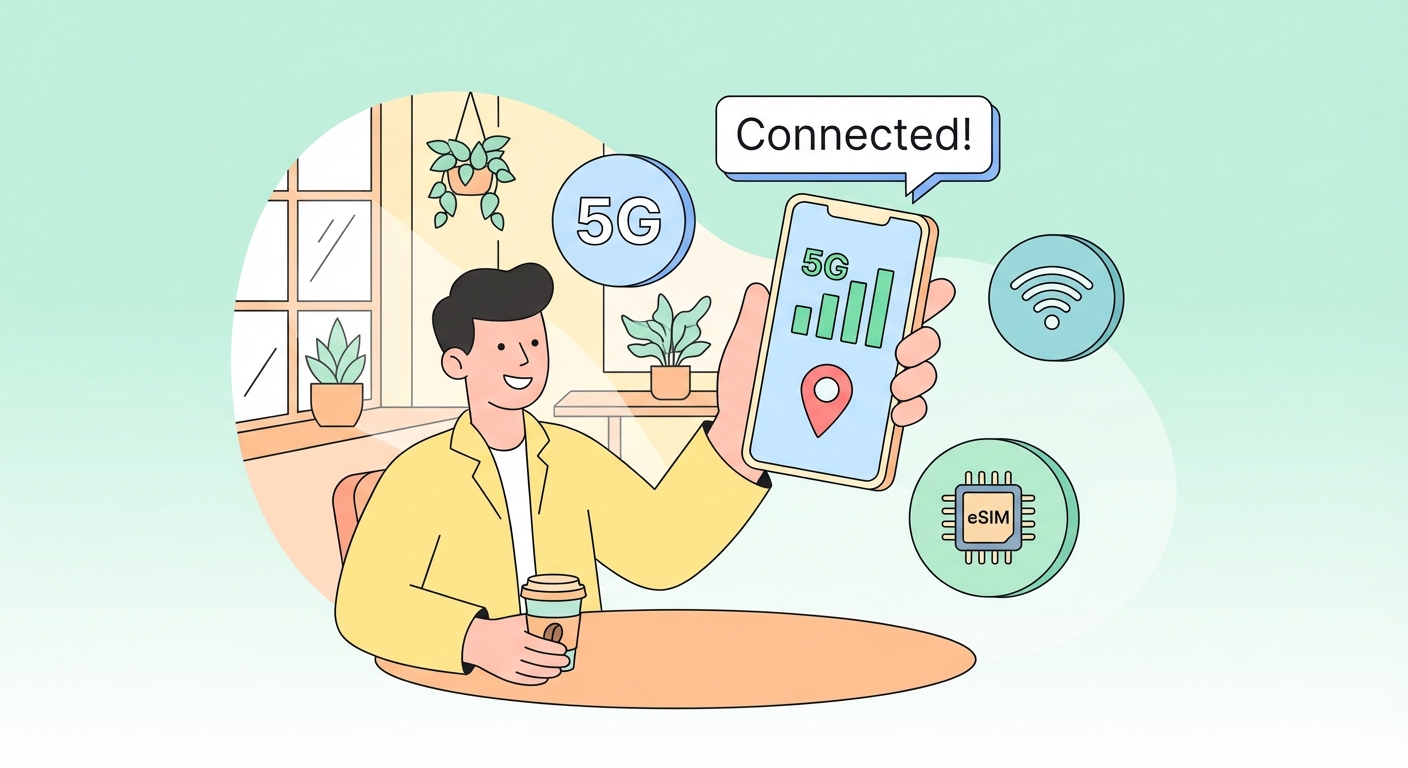
An eSIM lets you download a data profile to your phone before you leave. You keep your regular SIM for voice calls and use the eSIM for data. Activation is instant, and you can buy plans from global providers or directly from Mexican carriers like Telcel (via their app).
Costs vary widely. A 7-day, 3 GB eSIM plan may cost around $10-15 USD. Unlimited data plans for a week can run $20-30 USD. The advantage is convenience: no store visit, no physical swapping. The trade-off is that eSIM plans are often slightly more expensive per gigabyte than local SIMs, and not all phones support eSIM. Check your phone's settings under "Mobile Networks" or ask your manufacturer.
- Buy and install the eSIM before your flight. Activate upon landing.
- If your phone supports dual SIM, you can use your home SIM for calls and the eSIM for data.
- Customer support is usually by chat or email, not in person.
Wi-Fi: Free and Paid Hotspots
Free Wi-Fi is common in Mexico City, Cancún, and Oaxaca. Cafés, restaurants, hotels, and shopping malls offer guest networks. Speed is variable. In busy tourist areas, the connection can be slow during peak hours. For reliable work, a mobile hotspot or your own SIM-based data is safer.
Many hotels provide free Wi-Fi, but you may need to request the password at check-in. In Cancún's Hotel Zone and Mexico City's Condesa and Roma neighbourhoods, public Wi-Fi kiosks are available. Always use a VPN when connecting to public Wi-Fi to protect your data.
Coverage Considerations by Region
Mexico City has excellent 4G and growing 5G coverage. You will rarely lose signal within the city. Cancún and the Riviera Maya also have strong coverage in tourist zones. Once you leave the resort areas, signal can drop. Oaxaca City has good coverage, but rural towns and the coast may have only 3G or spotty 4G. Telcel has the best rural coverage of any carrier.
If you plan to hike, visit cenotes, or travel through remote areas, download offline maps and save emergency contacts. A local SIM from Telcel will give you the best chance of a signal when you need it.
One Clear Recommendation
For most travellers, buy a Telcel prepaid SIM at the airport upon arrival. It costs about 250 pesos and gives you 2-3 GB of data for a week. Top up at any Oxxo if you need more. This is the cheapest and most reliable way to stay connected across Mexico. If you prefer to keep your home number and want instant activation, choose an eSIM from a reputable provider. Either option is better than paying high roaming fees.