Start With the Weather Reality
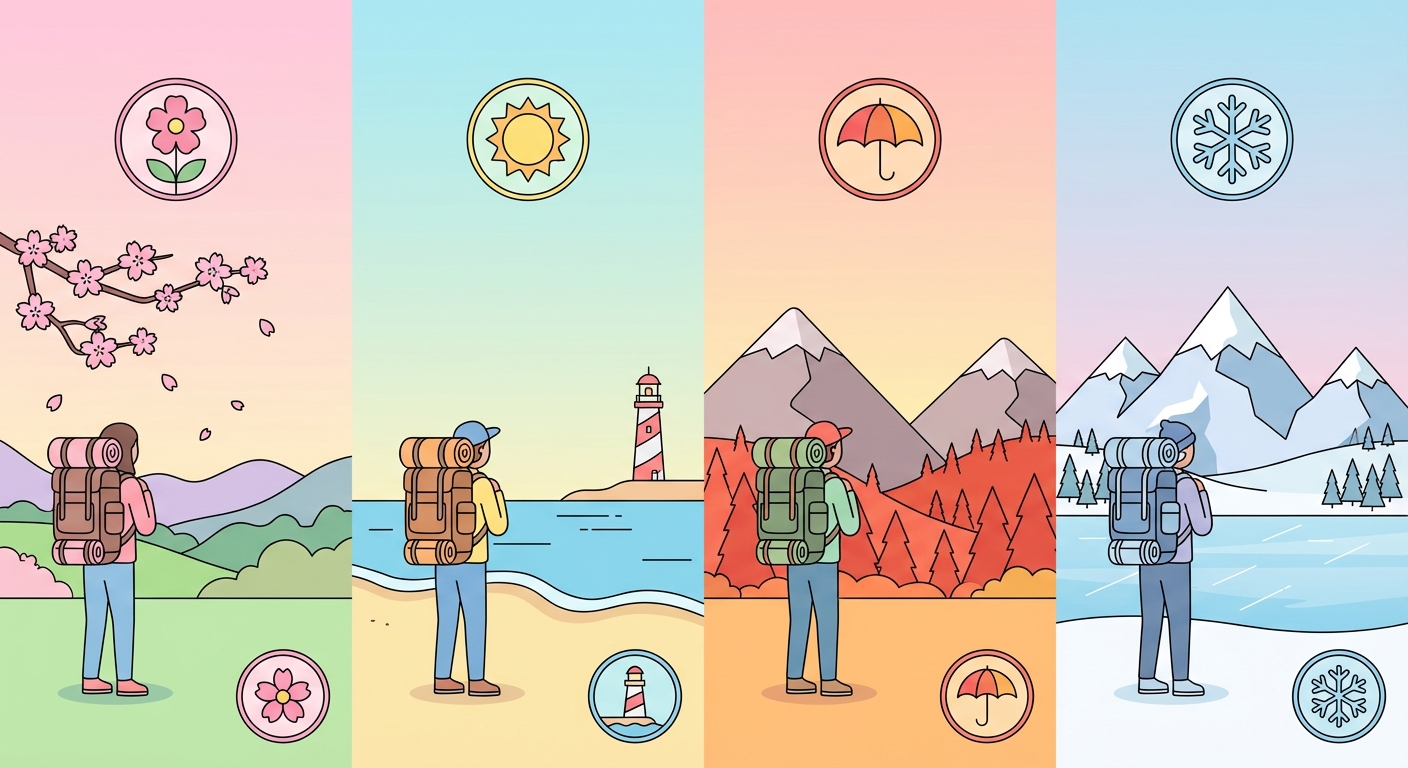
Spain in October is not a single climate. Barcelona and the Mediterranean coast still see daytime highs of 22-24°C, but evenings drop to 14-16°C. Madrid's inland altitude brings crisp mornings near 10°C and afternoons around 20°C. The Pyrenees can already see snow above 2,000 metres, while the Costa del Sol stays warmer, with sea temperatures still swimmable. Packing for Spain in October means preparing for three distinct climate zones in one trip. The rule: layers that you can add or remove in five minutes.
Clothing and Footwear Essentials
Start with a lightweight waterproof jacket. It should be windproof enough for Madrid's breezy plazas and compact enough to stuff in a daypack. For bottoms, bring one pair of dark, quick-dry trousers and one pair of comfortable jeans or chinos. Avoid shorts unless you are sticking to the southern coast. A mid-layer fleece or merino sweater works for both city evenings and mountain mornings.
Footwear is the most critical decision. Cobblestones in Toledo, Seville, and Granada punish thin soles. A sturdy pair of leather walking shoes or trail runners with good grip will serve you better than fashion sneakers. If you plan to hike in the Pyrenees or Sierra Nevada, add a pair of waterproof hiking boots. For coastal days, sandals with arch support are fine, but only as a secondary shoe.
- One waterproof jacket (not a poncho)
- Two long-sleeve tops (one merino or synthetic, one cotton for evenings)
- One mid-layer fleece or light puffer
- Two pairs of trousers (one quick-dry, one dark denim)
- One pair of walking shoes or trail runners
- One pair of sandals or loafers (only for coastal stays)
Coastal vs Inland: Two Different Packing Lists
If you spend most of your time on the Costa del Sol or the Balearic Islands, you can pack lighter. A swimsuit, light linen trousers, and a sun hat are practical. The sea is still warm enough for swimming in early October. For the Costa del Sol, sunscreen and a reusable water bottle are more important than a heavy coat. However, evenings by the sea can be windy, so a fleece or hoodie is still needed.
For inland cities like Madrid, Toledo, or Salamanca, the temperature swings are larger. A scarf and gloves are not excessive for early morning walks. The sun is strong at midday, but once it sets, the cold arrives fast. A thermal base layer under your shirt makes a big difference in unheated historic buildings. For the Pyrenees, add a warm hat, gloves, and a proper insulated jacket. Do not rely on the city layer system for mountain hiking.
Regional Special Items
Barcelona and the Mediterranean: A reusable water bottle is essential because tap water is safe and public fountains are common. A small umbrella fits easily in a bag for sudden showers. Madrid's dry climate means lip balm and moisturiser are more useful than an umbrella. Pyrenees: Pack a buff or neck gaiter for wind protection on exposed trails. Spanish restaurants and bars often have strong air conditioning or heating, so a scarf doubles as a temperature buffer indoors.
For anyone visiting multiple regions, a packable daypack (under 300 grams) is worth the space. It lets you shed layers as the day warms and carry the extras without bulk. A cross-body phone pouch or money belt is practical for crowded metro stations in Madrid and Barcelona, but leave the neck wallet at home-it is a visible target.
One Clear Recommendation
If you only buy one new item for this trip, make it a lightweight, packable down or synthetic puffer jacket. It compresses to the size of a water bottle, provides warmth for cold mornings and evenings, and works under the waterproof shell. It replaces three sweaters and saves space. Pair it with a merino base layer and you are set for almost any Spanish weather in October. This combination works from the beaches of the Costa del Sol to the peaks of the Pyrenees, and it transitions easily into indoor dining without looking like hiking gear.
For footwear, do not compromise. Blisters ruin a day in any Spanish city. Break in new shoes at least two weeks before departure. If you plan to visit the Alhambra in Granada or the Alcázar in Seville, you will walk 10,000 to 15,000 steps daily. Choose grip and support over style.
Final Practical Notes
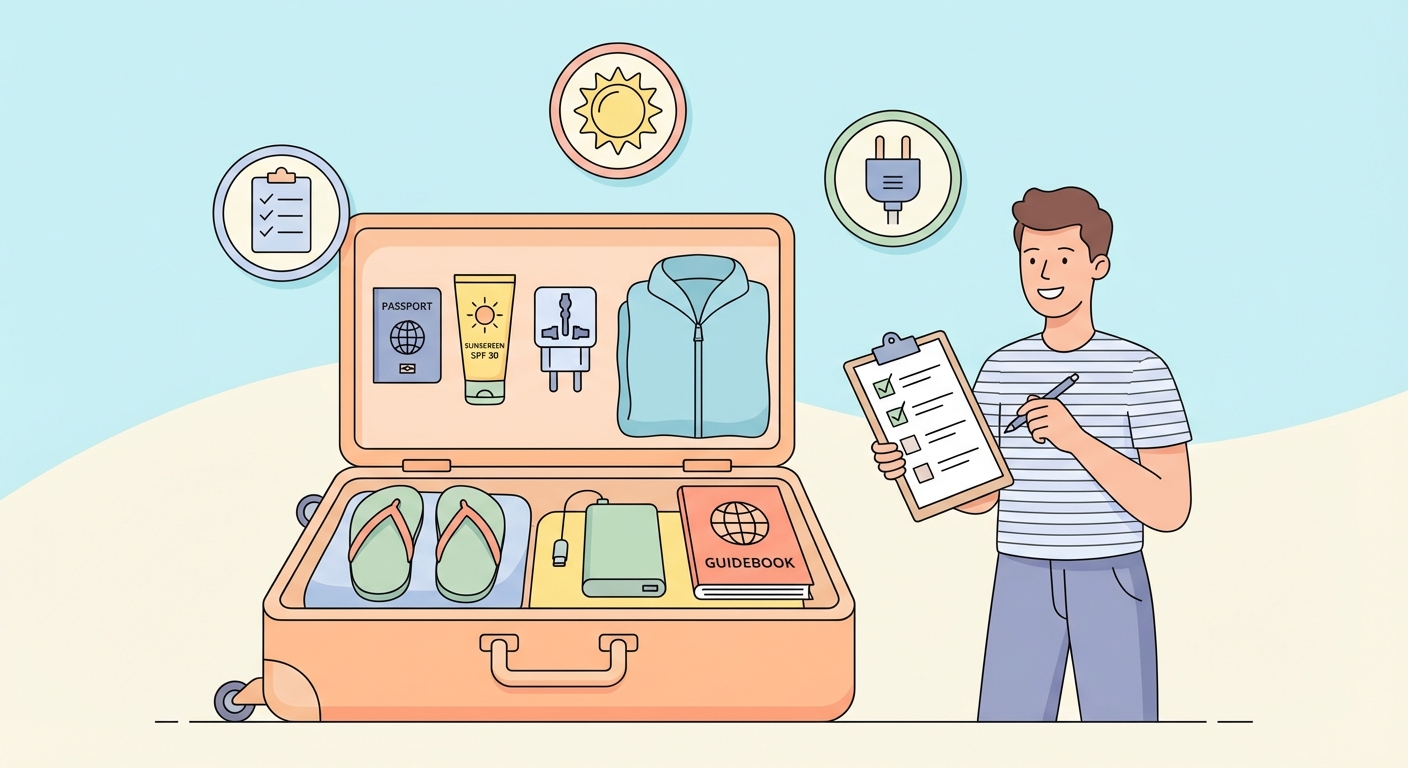
Laundry is easy in Spain. Most hotels and apartments have washing machines or nearby laundromats. Packing for seven days with three outfits is realistic if you wash mid-trip. Leave the iron at home; linen and cotton wrinkles are acceptable in Spain. Electrical outlets use the same two-round-pin plug as the rest of continental Europe, so a universal adapter is needed if your devices use flat pins. Voltage is 220-240V, so check your hair dryer or straightener before plugging in.
One last detail: a sarong or large scarf is the most versatile item you can bring. It works as a beach blanket, a picnic cloth, a shawl for chilly churches, a pillow on a train, and a cover-up for shoulder-baring tops when entering cathedrals. Spain's cathedrals enforce strict dress codes-no bare shoulders or short skirts. A scarf can save you from being turned away at the door.