




🇷🇺 eSIM plans for Russia

Starting at $6.32/day*
  • No data caps
  • 7-days valid
  • Fast, reliable connection
  • Skip the roaming bill
  • QR code emailed instantly
Get your unlimited data
How many days
More days, lower daily rate
7
How many eSIMs
More eSIMs, bigger discount
1
Install it now or once you're away. Nothing starts counting until you reach your destination and switch the eSIM on.

* The "as low as" figure is the lowest per-day rate, taken from the longest unlimited data plan on sale here.

Secure Checkout
Visa Mastercard PayPal Amex Diners JCB
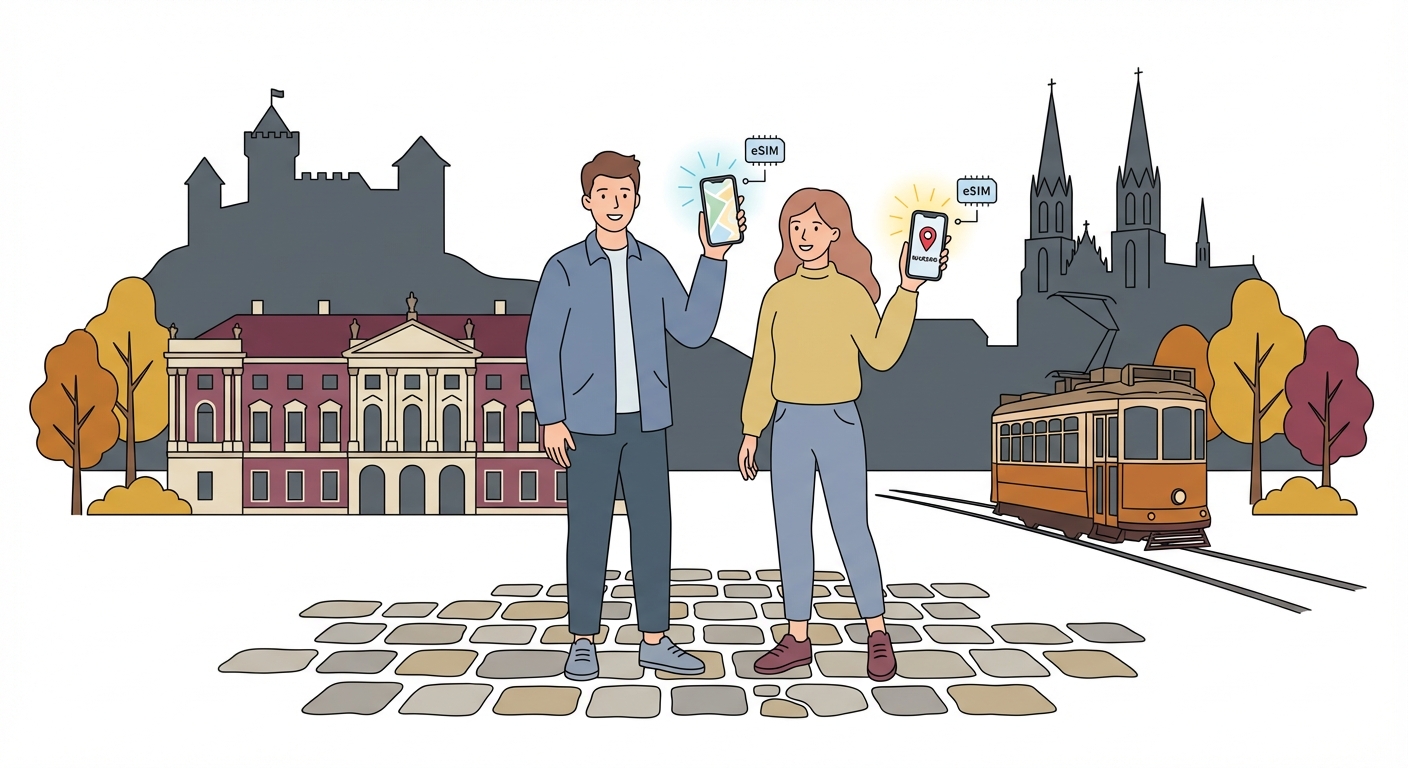
Russia eSIM travel illustration

Why buy from us?

Here's how Onetel stacks up against other options in Russia.

Onetel
Local SIM card
Roaming
Uncapped data plans
Activates instantly
Your number stays the same
No surprise charges
No lock-in
24/7 support
Eastern Europe eSIM

Cover the Region with Eastern Europe eSIM

Cover Russia and every neighboring country on one regional eSIM — no SIM swaps, no extra fees. Starting at $2.61.

View Eastern Europe Plans
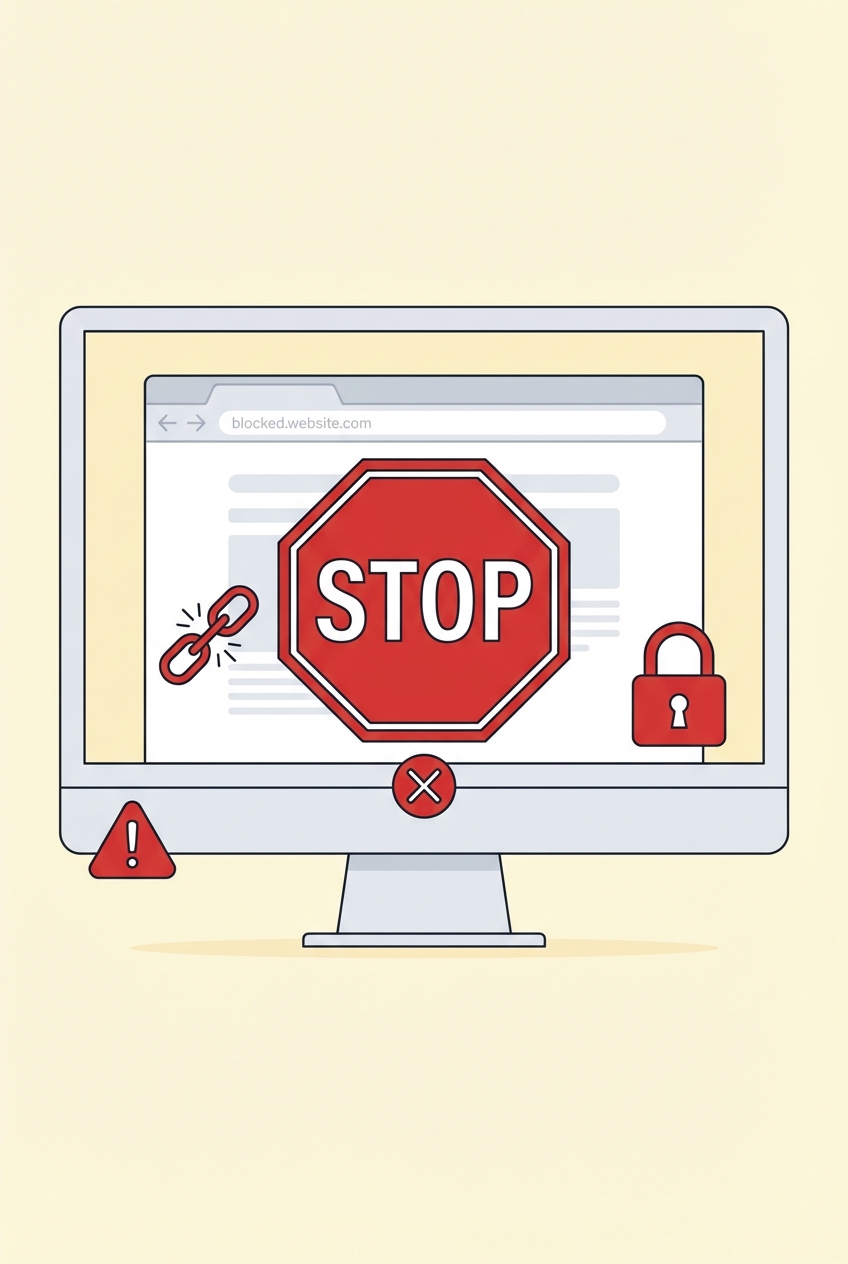
Internet restrictions illustration
Heavy Restrictions

Getting Online in Russia

Russia has significantly expanded internet censorship since 2022. Instagram, Facebook, and Twitter/X are blocked. Many independent news outlets are inaccessible. VPN services are restricted, though many still work. Conditions may change rapidly.

Social Networks Political Websites News Outlets VPN Use Restricted

Services affected: Instagram, Facebook, Twitter/X, LinkedIn, many independent news sites

🇷🇺

eSIM costs for Russia

Prices shown in USD

7 days of unlimited data in Russia costs $45.10 — about $6.44 a day on MTS, MegaFon or Beeline, with no roaming charge and no SIM to swap. In Russia, 5G is live and median mobile download speed is 25.0 Mbps.

Duration Price Daily cost
1 day $7.44 $7.44/day
3 days $20.00 $6.67/day
5 days $32.54 $6.51/day
7 days $45.10 $6.44/day
10 days $63.92 $6.39/day
15 days $95.32 $6.35/day
30 days $189.48 $6.32/day
🇷🇺

Which Russia eSIM plan fits your trip?

Choose your Russia eSIM by matching the allowance and validity period to your trip, then compare the selected product details with the local network, band and speed references already shown on this page.

Start with the length of your stay, then allow for navigation, messaging, streaming and work use. Each option below is a plan size that is currently available for this destination.

Short trip

1 GB / 7 days

Best for: A short visit with maps, messages and occasional browsing.

This option pairs the 1 GB allowance with a stated validity period of 7 days.

Usage tip: Save maps before longer journeys and use Wi-Fi for large downloads.
Two-week trip

3 GB / 15 days

Best for: A stay of around two weeks with regular navigation and messaging.

The 3 GB allowance remains available across a stated validity period of 15 days.

Usage tip: Keep automatic app updates and cloud backups on Wi-Fi.

Longer or higher use

10 GB or more / 30 days

Best for: A longer stay or more frequent streaming, video calls or work use.

The 10 GB or more / 30 days profile provides a larger data pool than the short-trip options on this page.

Usage tip: Compare the allowance with your normal phone usage and monitor it during the trip.

🇷🇺

Which networks you connect to in Russia

Your eSIM roams onto Russia's own operators. These are the networks and the frequencies they run — check your phone supports them before you travel.

Operator 4G / LTE bands 5G bands 5G
MTS B1, B3, B7, B8, B20, B38 n79 Yes
MegaFon B1, B3, B7, B8, B20, B38 n79 Yes
Beeline B1, B3, B7, B8, B20 n79 Yes
Tele2 Russia B1, B3, B7, B20, B31 n79 Yes
25.0 Mbps
Median download
8.1 Mbps
Median upload

Source: Ookla Speedtest Global Index, July 2025

Coverage in Russia

Extensive areas of Siberia and the Russian Far East have no mobile coverage from any operator. Band B31 (450 MHz) is used by Tele2 Russia for rural LTE coverage and is absent from most international phone models.

How to check mobile coverage in Russia

The Russia mobile network source is linked below as a public network reference. Check the places on your itinerary where the source offers local detail, then confirm the network information for the selected eSIM product. The operator table on this page provides the country-level reference, while the selected product details identify which network information applies to your plan.

Accommodation and daily stops

Check your accommodation and the places you expect to visit in Russia. Indoor reception can differ from an outdoor map, so keep the property Wi-Fi details available as well.

Journeys between stops

Review the full route rather than checking only the arrival city. Save tickets, addresses and maps offline before longer road or rail journeys.

Borders and onward travel

Check the selected product scope for every country on your itinerary. Your Russia plan and a regional plan may have different included destinations and validity periods.

Phone compatibility in Russia

Compare your phone with 4G bands B1, B3, B7, B8, B20, B31, B38 and 5G bands n79 in the existing Russia network table. Support for more of the listed bands gives the phone more options when connecting, while the selected product, location and local network conditions determine the service available.

Set up the Russia eSIM for your trip

Keep the QR code and installation instructions available offline, and complete each step according to the selected product's instructions.

When validity starts: Validity-start rules can differ by product. Check the selected plan details before installation and travel.

  1. Confirm that your phone is unlocked and supports eSIM before purchase.
  2. Save the QR code or manual installation details somewhere you can reach without mobile data.
  3. Use reliable Wi-Fi to install the profile at the time recommended in the product instructions.
  4. When you are ready to use it, select the travel eSIM for cellular data and apply the stated roaming and APN settings.
  5. Keep roaming disabled on your home line if you want to avoid using its travel data.
Network and coverage sources, checked 2026-10-10
Russia travel guide

How to Enjoy Russia

Russia spans eleven time zones, so your experience depends heavily on where you go. European Russia, including Moscow and St. Petersburg, offers well-preserved imperial architecture, high-quality museums, and a lively cafe culture. Allow at least three days in each city to see major sites without rushing. Siberian cities like Irkutsk and Novosibirsk have a more rugged character and serve as gateways to natural wonders. The Russian Far East, with Vladivostok as its anchor, feels distinctly Pacific in atmosphere. Trains connect most major destinations, but book sleeper compartments in advance on long routes. Cash remains essential in smaller towns; credit cards work reliably only in larger hotels and upscale restaurants in major cities.

Key Attractions

  • Red Square and the Kremlin (Moscow): A single ticket grants access to the Kremlin grounds and several cathedrals. St. Basil's Cathedral is best photographed from outside; the interior is less ornate than the facade suggests.
  • Hermitage Museum (St. Petersburg): One of the largest art collections in the world, housed in the former Winter Palace. Plan at least four hours and visit on a weekday to avoid crowds.
  • Lake Baikal: The world's deepest lake. From Irkutsk, take a day trip to Listvyanka village for easy access. In summer, boat tours are available; in winter, the ice is thick enough for walking and driving.
  • Trans-Siberian Railway: A multi-day journey, not a single attraction. Consider the Moscow-Vladivostok route or a shorter segment like Irkutsk to Ulan-Ude.
  • Peterhof Palace (St. Petersburg): A summer residence with elaborate fountains. Allow a half-day and check the fountain schedule in advance.

Russian Foods to Try

  • Borscht: A beetroot soup served hot or cold, often with sour cream and a side of garlic bread. The version with meat is more common in restaurants.
  • Pelmeni: Small dumplings filled with minced meat, boiled, and served with butter or vinegar. Order them from dedicated pelmeni cafes for the best quality.
  • Blini: Thin Russian pancakes eaten with savoury fillings like smoked salmon or sweet toppings such as jam or condensed milk.
  • Stroganoff: Strips of beef in a sour cream and mushroom sauce, usually served with fried potatoes or buckwheat. Look for it on menus at traditional Russian restaurants.
  • Piroshki: Baked or fried buns stuffed with meat, cabbage, or fruit. Buy them from street stalls or bakery chains for a quick meal.

Best Time to Visit

The best travel window for most of Russia is from May to September. During this period, temperatures are mild in European Russia, and St. Petersburg sees its famous White Nights in June and July. July and August are peak tourist months, so book accommodation early. Winter from December to February offers snow-covered landscapes and the chance to see the Northern Lights in Murmansk, but many outdoor sites in Siberia are difficult to access. Spring in April and May brings muddy conditions and unpredictable weather. Autumn from late September to October has fewer tourists and pleasant colours, especially in Moscow's parks. Avoid March and November, when melting snow and rain make travel uncomfortable.

Packing Essentials

Russia's climate demands preparation. Pack a heavy winter coat and thermal layers even for summer visits to Siberia or the Far East, where nights can be cold. Comfortable walking shoes with good grip are essential for cobblestone streets and icy paths. Bring a universal adapter and voltage converter for Russian Type C or F sockets. A phrasebook or translation app helps in smaller towns where English is rarely spoken. Carry a waterproof bag for sudden rain, especially in St. Petersburg. Leave valuables in your hotel safe; pickpocketing occurs in crowded metro stations and tourist areas. For electronics, ensure your devices work with 220V power. Do not rely on being able to buy specific medications locally.

Common Questions

The details worth knowing about your Russia eSIM

Your eSIM connects to MTS, MegaFon, Beeline, and Tele2 Russia. These are the four main operators. Using multiple networks improves coverage reliability, especially in populated areas, but none of them cover Siberia or the Far East extensively.

Probably not. Tele2 Russia uses band B31 (450 MHz) for rural LTE coverage, which is absent from most international phone models. If you travel outside cities, your device likely cannot access that band, leaving you with weaker signal from other operators.

No. The eSIM is for Russia only. Coverage stops at the border. If you cross into Ukraine, Belarus, Kazakhstan, or any other neighbouring territory, the eSIM will not connect. Purchase separate eSIMs for each country.

Yes. Russia blocks many websites and services, including certain social media and news platforms. Your eSIM data may not access those sites. A VPN is commonly used by travellers to bypass restrictions, but it is not guaranteed to work.

Extensive areas of Siberia and the Russian Far East have no mobile coverage from any operator. Even with four networks, the eSIM will not work there. Plan for offline navigation and communication if travelling through those regions.

Compare 1 GB / 7 days, 3 GB / 15 days and 10 GB or more / 30 days. Use the shorter profiles for lighter maps and messaging use, then compare the larger allowance for streaming, video calls or work apps.

The start rule is product-specific. Review the selected plan details before installing it so you know whether any action is required before arrival.

Save the QR code, manual installation details, APN guidance and the support instructions supplied with the selected plan.
24/7 Support

Stuck? Talk to a human.

Live chat and email are staffed the whole way through — before you fly and while you're abroad. Replies typically land in under 2 minutes.

Talk to us
Onetel customer support