The Biggest Mistake and How to Avoid It
The most common practical mistake travellers make when packing for Vietnam is bringing a large, heavy suitcase. Many people overpack for a trip that demands mobility. Vietnam's transport-from narrow train cabins to motorbike taxis and crowded city sidewalks-rewards a compact, flexible bag. A 40-litre backpack or a small wheeled duffel is far more practical than a full-size suitcase. You will move between humid cities, cool highlands, and coastal towns. A single large bag becomes a burden. Aim for one bag that you can carry for 15 minutes without stopping.
Clothing and Footwear Essentials: Vietnam's Climate Puzzle
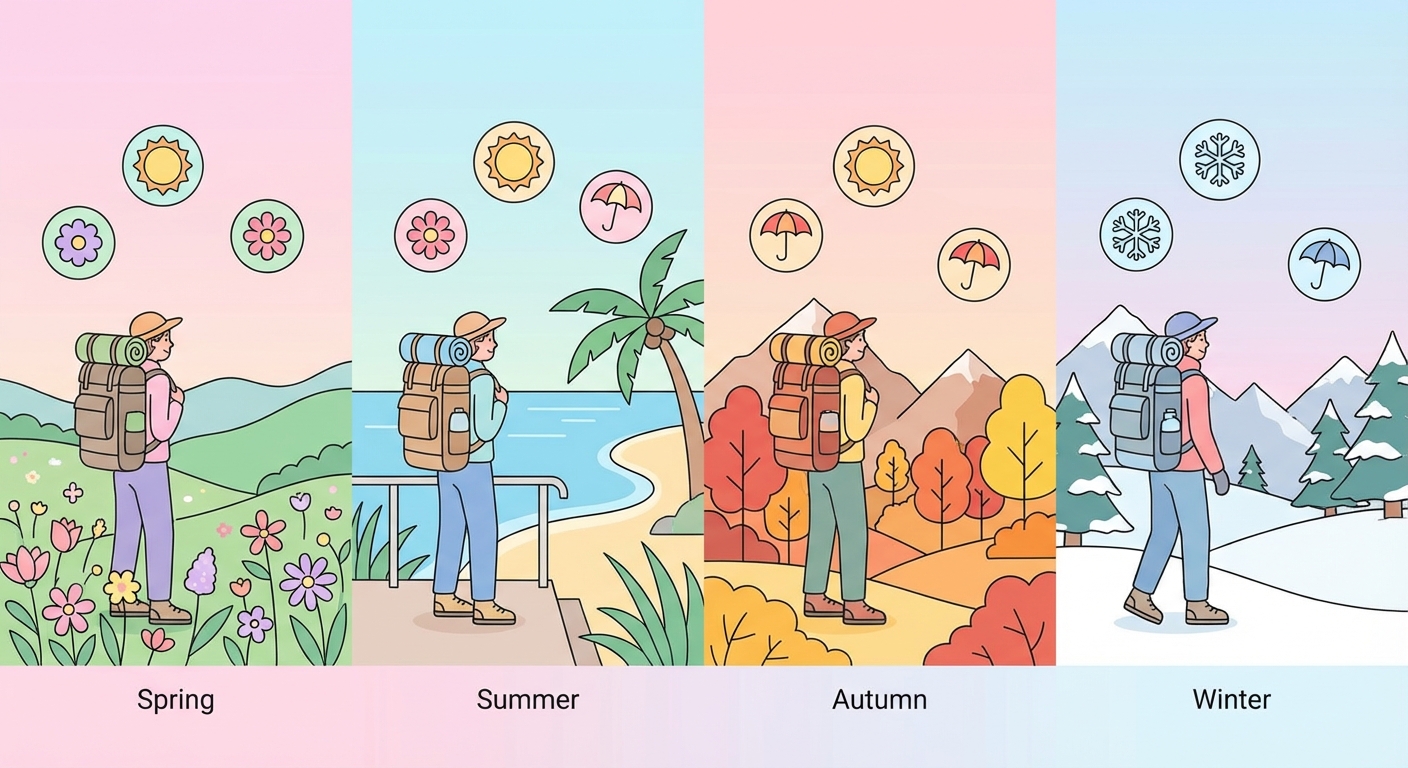
Vietnam's climate varies dramatically by region and season. In October, Hanoi and Ho Chi Minh City are warm and humid, with average highs around 30°C. Nha Trang and Ha Long Bay can be hot and rainy. However, Sapa and the mountains of Phong Nha-Ke Bang National Park are much cooler, especially at night. The solution is layering. Pack T-shirts, a couple of long-sleeved shirts, and one lightweight jacket or fleece. Long trousers are essential for temples and evening mosquito protection. Shorts are fine for the beach but less practical in cities. For footwear, bring one pair of comfortable walking sandals and one pair of closed-toe shoes or trainers. Sandals handle heat and wet streets. Trainers are needed for hiking in Sapa or exploring caves. Do not pack heavy boots. They take up space and you will rarely need them.
Rain and Sun: The Two Unavoidable Elements
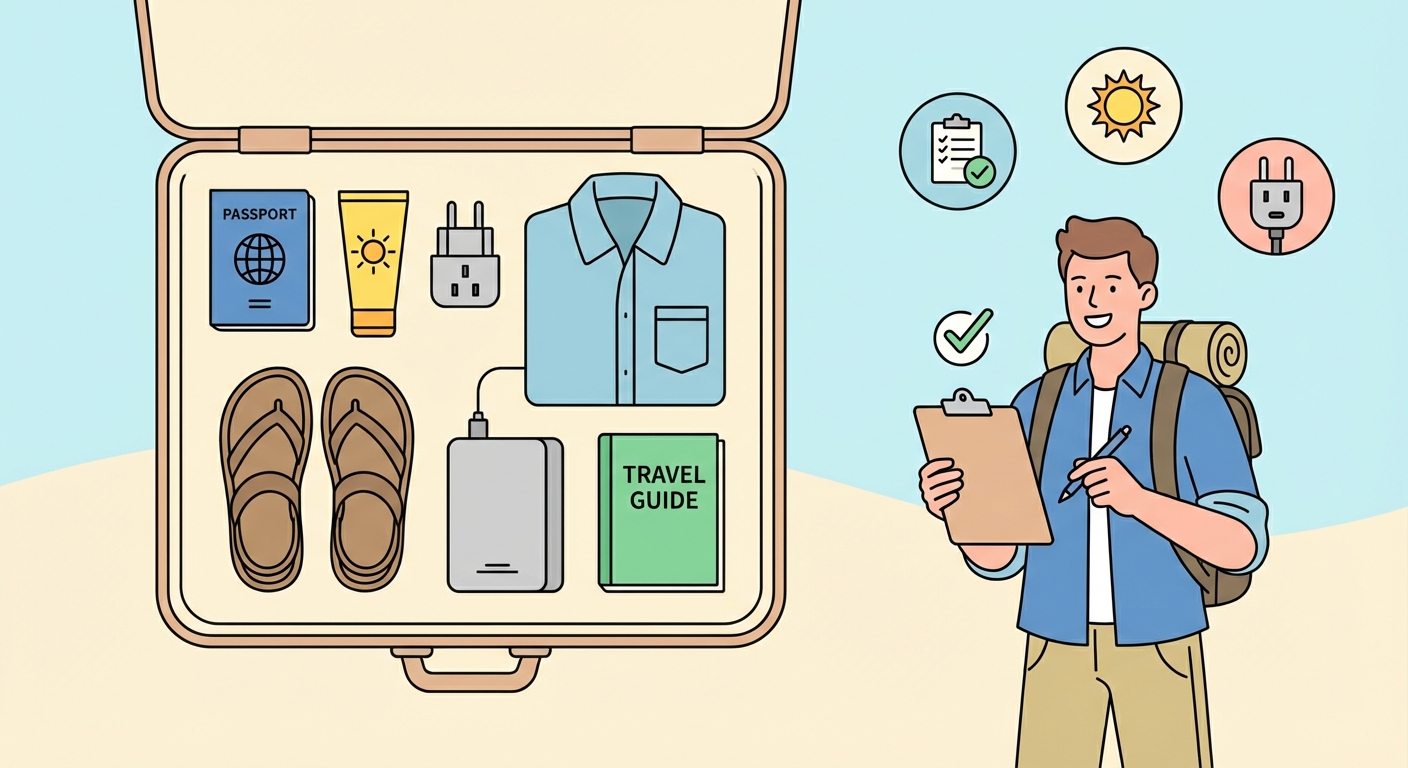
Include a compact, packable rain jacket. A poncho is a cheaper alternative but less useful if you plan to walk around cities. An umbrella is optional but can be handy. Sun protection is critical. Bring a wide-brimmed hat, sunglasses, and high-SPF sunscreen. Sunscreen is expensive and often limited in Vietnam, especially outside major cities. You will want a reusable water bottle with a filter or purification tablets. Tap water is not safe to drink, and buying single-use plastic bottles is wasteful and adds up in cost.
Health and Safety Items You Should Not Skip
Pack a basic medical kit. Include antiseptic wipes, plasters, pain relievers, and anti-diarrhoea medication. Insect repellent with DEET is essential, particularly in rural areas and during the rainy season. Mosquitoes in Vietnam can carry dengue fever. A small pack of tissues or toilet paper is useful because public toilets often lack supplies. Consider a headlamp if you plan to visit caves or do any night walking. It is lighter than a torch and keeps your hands free. Also bring a small padlock to secure your bag on trains or in hostel lockers.
Electronics and Documents: What to Bring and What to Leave
Vietnam uses a 220V, 50Hz electrical system. Most modern chargers handle this, but you should pack a universal adapter. The plug type varies, but a universal adapter covers all bases. A portable power bank is useful, especially on long train or bus rides. Leave any expensive, bulky laptop at home if you do not need it for work. A smartphone and a small tablet or e-reader are enough for most travellers. Print or save offline copies of your passport, visa, and travel insurance details. Keep a digital copy on your phone and a physical copy in a separate bag. Do not rely solely on your phone for documents. Phones can be lost, stolen, or run out of battery.
The One Clear Recommendation
Pack for 7 days, then do laundry. Vietnam has cheap, fast laundry services in every town. You do not need 14 outfits. Stick to a capsule wardrobe of neutral colours that mix and match. Bring a lightweight daypack for daily excursions. Your main bag stays at the hotel. This approach saves weight, space, and money. It also leaves room for souvenirs. One last practical tip: bring a small, reusable shopping bag. You will use it for market finds, wet swimwear, or carrying snacks. It folds flat and weighs almost nothing.