Before You Arrive: Choose Your Connectivity Strategy
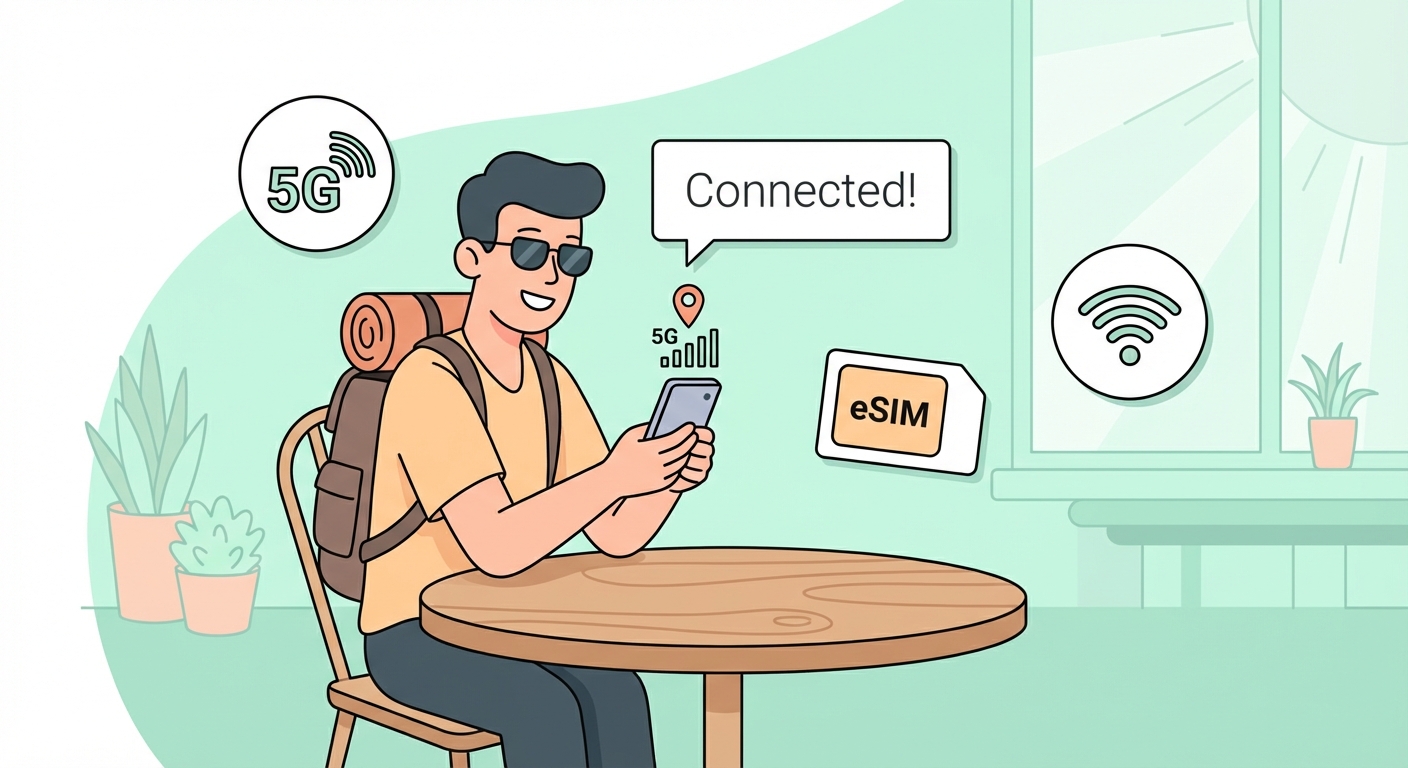
India offers several ways to stay online, and the best choice depends on your itinerary and device. If you plan to visit remote areas in the Himalayas or travel across multiple states, a local physical SIM card is the most reliable option. For short city trips, an eSIM backup can provide instant connectivity upon landing. The trade-off is that eSIMs often have higher data costs and may not work in regions with weak network coverage. My clear recommendation for most travelers is to get a local physical SIM from a major provider like Jio, Airtel, or Vodafone-Idea, and keep an eSIM as a backup for emergencies.
How to Get a Local SIM Card
Obtaining a local SIM card in India has become simpler in recent years, but still requires some preparation. Foreign visitors can buy SIMs at airports, in city stores, or online. The process typically demands a copy of your passport, visa, and proof of address. Many providers also require a local address for registration, which can be your hotel's address if you confirm with the front desk. Activation can take anywhere from 2 hours to 24 hours, so plan accordingly. If you arrive late at night, consider waiting until the next morning to activate at a store.
- At the airport: Most international airports have kiosks for Jio, Airtel, and Vodafone-Idea. This is the fastest option but may have limited plan choices.
- In cities: Authorized stores offer more plan flexibility and customer support. Look for official outlets to avoid scams.
- Online activation: Some providers allow you to order a SIM before travel with delivery to your hotel. This saves time but requires a stable address and coordination.
Popular Plans for Travelers
India's telecom market is competitive, offering cheap data plans. Here are the main providers and typical offers:
- Jio: Known for generous data caps and 4G/5G coverage in most cities. A 28-day prepaid plan often includes 2 GB/day and unlimited voice calls for under $5 USD.
- Airtel: Offers reliable coverage in urban and semi-urban areas. Their travel plans often bundle 1.5 GB/day with extra benefits like free access to Airtel Wi-Fi hotspots.
- Vodafone-Idea: Good for voice calls and SMS, with slightly less data per day. Useful if you need a long validity period (up to 84 days).
Check the validity and data limits before buying. Some plans require recharging after 28 days. Store your provider's customer service number in your phone for quick help with network issues.
Practical Tips for Reliable Connectivity
- Download offline maps before you travel. Google Maps allows offline download of areas you plan to visit. This helps when data signals are weak.
- Enable data saver mode on your phone to reduce background data usage. This stretches your plan and avoids surprise top-ups.
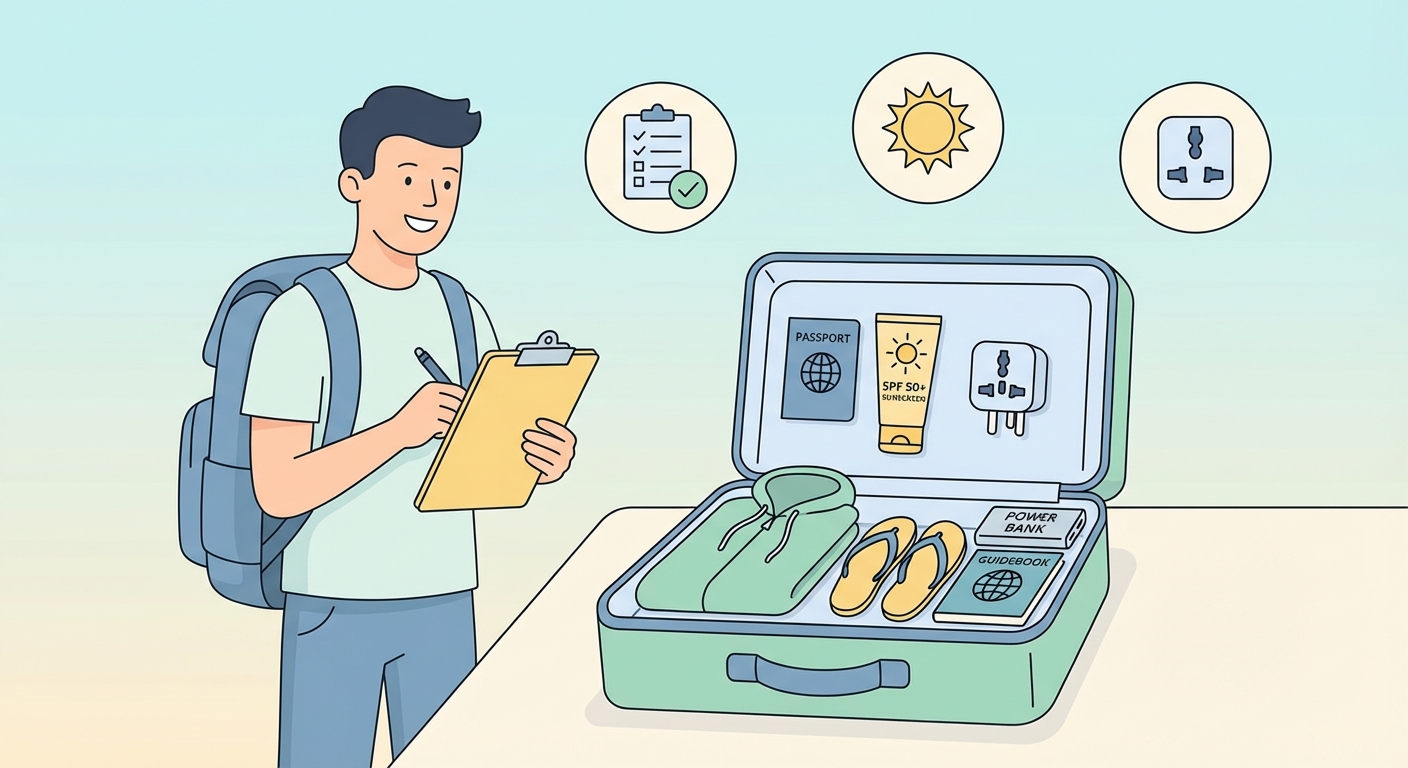
- Carry a power bank because charging opportunities can be scarce in rural areas or during long train journeys. A 10,000 mAh power bank is sufficient for a day of heavy use.
- Know your provider's customer service number and save it offline. In case of SIM issues, you can call from a hotel phone or another traveler's device.
- Consider an eSIM backup from a global provider as a failsafe. Activate it only if your local SIM fails or if you run out of data in a remote area.
Final Thoughts
Whether you are exploring the Himalayas or navigating Delhi's streets, a well-chosen SIM card keeps you connected to maps, translation apps, and emergency contacts. Avoid relying solely on free Wi-Fi in cafes or hotels, as it is often slow or insecure. By planning ahead and following these steps, you can focus on your journey instead of connectivity problems.